Memory Match Game Show
Kindergarten
When entering kindergarten, your child should be able to group common objects into categories and identify reasons for grouping the objects. For example, if given a lamp, sofa and zebra, your child should be able to group the lamp and sofa together because they are household items, while the zebra is not.
View worksheet
Alphabet Gumballs Game!
Kindergarten
When entering kindergarten, your child should be able to recognize and name some uppercase letters, especially those in your child’s name.
View worksheet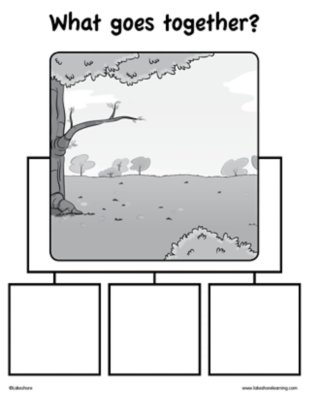
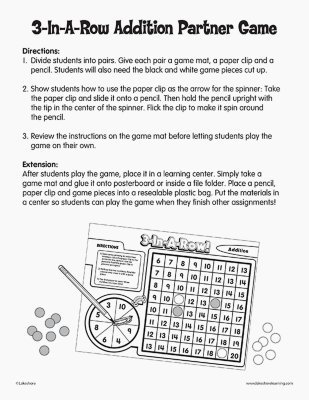
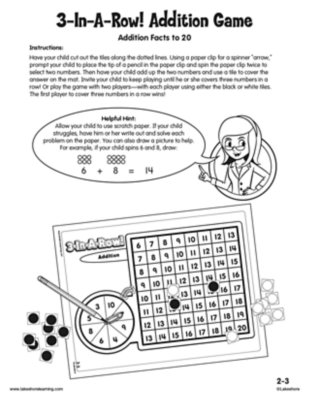
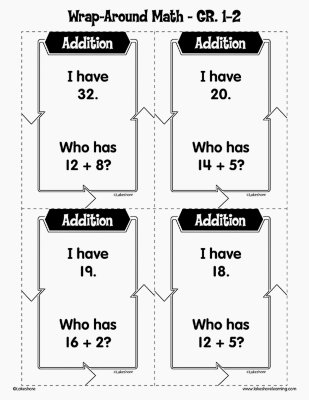
3-In-A-Row! Addition Game
2nd Grade
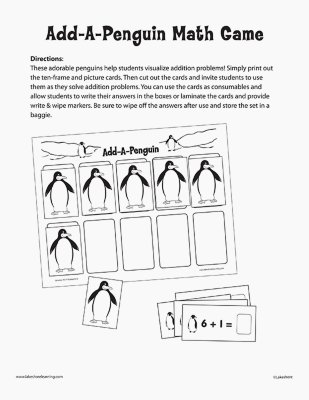
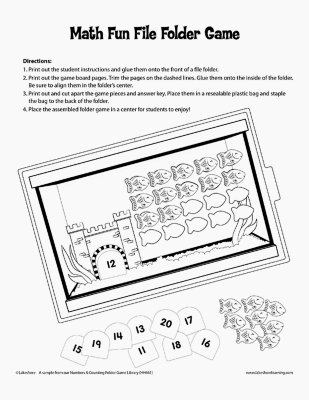
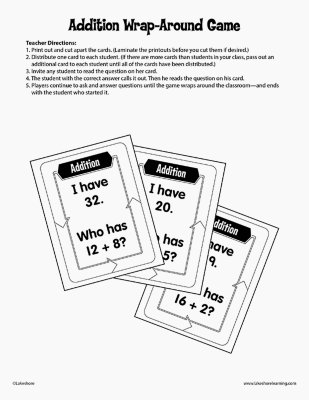
When entering second grade, your child should be able to add to 20 fluently. For example, 5 + 9 = 14 and 13 + 7 = 20.
View worksheet
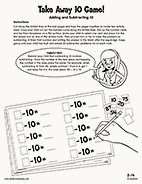
Take Away 10 Game!
2nd Grade
When entering second grade, your child should be able to mentally add 10 to or subtract 10 from any two-digit number—without having to count. For example, 32 + 10 = 42 and 35 — 10 = 25.
View worksheet
What’s My Word?
5th Grade
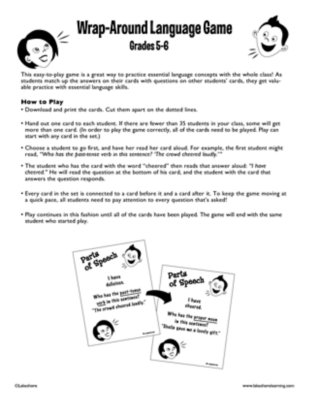
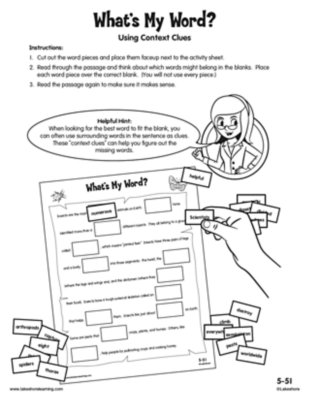
During fifth grade, your child will learn to figure out the meaning of an unfamiliar word or phrase by using clues in the text, such as cause/effect relationships and comparisons. For example, in the following sentence, you can determine that the word “chastened” means “punished” by looking at the cause and effect: “When Judy found out that her son had cheated, she chastened him by taking away his video games.”
View worksheet
It’s a Mystery!
5th Grade
During fifth grade, your child will learn to figure out the meaning of an unfamiliar word or phrase by using clues in the text, such as cause/effect relationships and comparisons. For example, in the following sentence, you can determine that the word “chastened” means “punished” by looking at the cause and effect: “When Judy found out that her son had cheated, she chastened him by taking away his video games.”
View worksheet